Hair Growth Timeline: Month by Month
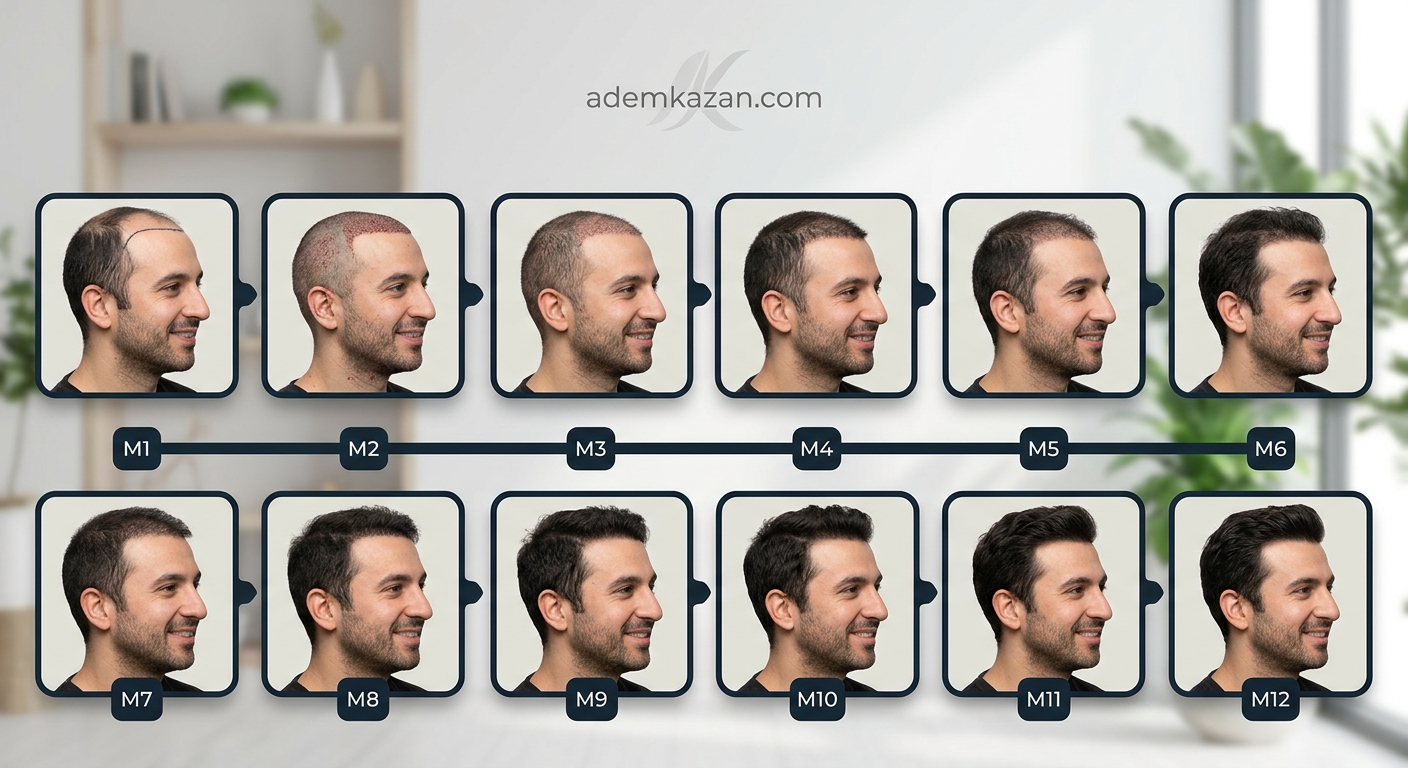
Hair grows gradually, so changes can be hard to notice from one day to the next. Understanding the typical growth cycle can help you set realistic expectations—whether you’re growing your hair longer, recovering from hair loss, or monitoring progress after a hair transplant.
The timeline below is a general guide. Growth varies depending on genetics, age, health, hair-care practices, and the cause of hair loss.
Month 1: The growth cycle begins
Hair grows from follicles in repeating cycles. In the first month, visible change may be minimal. On average, scalp hair grows about 1 centimetre (around 0.4 inches) per month, though individual growth rates differ.
If you’ve had a hair transplant, some transplanted hairs may shed during the first few weeks. This is often part of the normal process; the follicles can remain in place and produce new hair later. Follow your clinic’s aftercare instructions and contact your care team if you have concerns.
Month 2: Small changes may appear
You may notice a little extra length, but it can be difficult to see without comparing photos. Hair texture and growth direction may also vary. Try to avoid harsh treatments and excessive heat if your hair feels fragile.
Month 3: Early progress becomes easier to track
By now, consistent monthly photos may reveal gradual progress. If you’re monitoring hair loss or treatment, remember that visible changes can take time. Don’t start, stop, or change medication without speaking to a healthcare professional.
Month 4: More noticeable length
New growth may be easier to see, especially around the hairline or shorter sections. Hair can still look uneven as different follicles grow at different rates. Gentle washing, a balanced diet, and careful styling can support overall hair health.
Month 5: Gradual improvement continues
Hair may look fuller or longer, but the pace of change is usually gradual. Keep using any prescribed treatment as directed, and discuss unexpected shedding or scalp symptoms with a clinician.
Month 6: A useful progress checkpoint
After six months, comparing photos taken in similar lighting and from the same angles can help you assess changes. For people recovering from a hair transplant, some growth may be visible by this stage, but the final result is not usually complete yet.
Months 7–9: Increasing coverage and length
Many people notice more visible growth during this period. Hair may continue to thicken, although results differ. Keep following professional advice and be patient—hair growth doesn’t happen evenly across the scalp.
Months 10–12: Assessing the longer-term result
By the end of a year, you may have a clearer idea of your progress. After a transplant, results can continue to mature beyond 12 months, depending on the person and the treatment area. A follow-up appointment can help assess the outcome and discuss next steps.
Tips for tracking hair growth
Take monthly photos in consistent lighting and from the same angles.
Use a gentle hair-care routine and limit damaging heat or chemical treatments.
Eat a balanced diet and seek medical advice about persistent hair loss.
Be cautious of products that promise rapid or guaranteed growth.
Follow your clinician’s instructions if you’re receiving treatment.
Important: Sudden, patchy, or persistent hair loss should be assessed by a healthcare professional. This article is for general information and does not replace medical advice.